The Strategic Appeal of the Slot: Understanding Its Role in Modern Gaming
Introduction: The Ubiquity of the Slot Machine
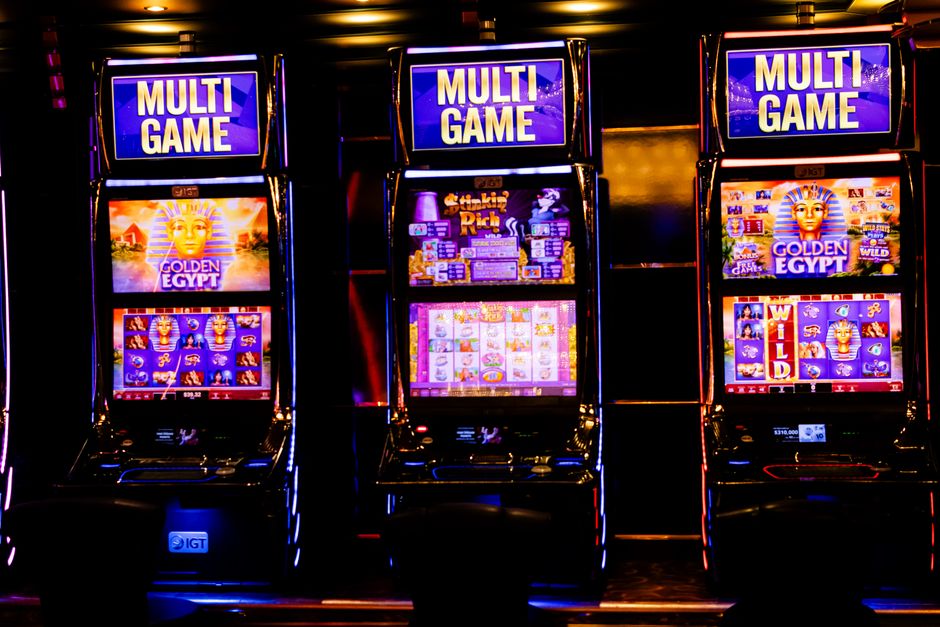
Few gaming devices have achieved the cultural and commercial penetration of the slot machine. From the clattering one-armed bandits of the late 19th century to today’s immersive digital reels, the slot has evolved into a sophisticated entertainment platform. In modern casinos—both physical and virtual—slots typically account for 70–80% of total gaming revenue. Their enduring popularity stems from a combination of accessible mechanics, sensory feedback loops, and near-instantaneous outcomes. This article examines the slot’s structural design, psychological underpinnings, and strategic considerations for players and operators alike, while reinforcing the importance of responsible gaming practices.
The Mechanics: Random Number Generators and Return to Player
At the core of every legitimate slot machine lies a Random Number Generator (RNG)—an algorithm that produces thousands of number sequences per second, even when the machine is not being played. The moment a player presses “spin,” the RNG selects a sequence corresponding to a specific set of symbols. This mechanism ensures each spin is independent and unpredictable, a feature that is both the slot’s greatest appeal and its most misunderstood element. The Return to Player (RTP) percentage is a theoretical metric that indicates how much of every wagered dollar is returned to players over extended play. For example, a slot with a 96% RTP will, in theory, return $96 for every $100 wagered, though individual sessions can deviate significantly. Professional operators and regulators mandate strict testing of RNGs and RTPs to guarantee fairness. Players seeking transparent gaming environments should always verify that a platform’s slots are certified by independent auditors such as eCOGRA or iTech Labs.
Psychological Design: The Science Behind the Spin
The slot is not merely a game of chance; it is a meticulously engineered experience. Developers employ principles from behavioral psychology to maximize engagement. One of the most powerful mechanisms is the “near-miss”—a spin where the reels stop just one position away from a winning combination. Neuroimaging studies show that near-misses activate the same brain regions as actual wins, encouraging continued play. Variable ratio reinforcement, a scheduling technique where rewards come at unpredictable intervals, further boosts dopamine release. Visual and auditory stimuli—flashing lights, celebratory sounds, and dynamic animations—create a feedback loop that can make time perception shrink. To counterbalance these effects, modern online slots often incorporate “reality checks” (pop-up reminders of play duration) and mandatory cooling-off periods. Operators who prioritize player welfare integrate these features transparently into their platforms.
Strategic Considerations for Players and Operators
For players, approaching the slot requires a shift in mindset: it is an entertainment expense, not an investment. Setting loss limits, choosing games with higher RTP (usually above 95%), and opting for low-volatility slots (which offer smaller but more frequent wins) can prolong play and reduce risk of bankroll depletion. Bonus features, such as free spins or multipliers, should be evaluated for their wagering requirements if played on real-money platforms. For operators, slot selection and placement are critical. Data analytics reveal that themed slots aligned with player demographics—such as classic fruit machines for older audiences or narrative-driven video slots for younger cohorts—drive higher retention. Integrating responsible gambling tools, such as deposit caps and self-exclusion lists, not only complies with regulations but also builds trust. A well-curated slot library, updated monthly with new releases from top-tier developers (e.g., NetEnt, Microgaming, Playtech), ensures a competitive edge, particularly in the crowded online market.
Online vs. Land-Based: Distinct Dynamics
The transition of the slot from physical casinos to digital platforms has introduced new variables. Online slots offer lower minimum bets (often starting at $0.10 per spin), faster gameplay (due to the absence of coin handling), and broader accessibility via mobile devices. However, the lack of tactile feedback—no lever to pull, no coin tray—can alter the psychological experience. To compensate, digital developers have incorporated adaptive soundtracks and haptic feedback on mobile devices. Land-based slots, by contrast, rely on environmental immersion: casino lighting, noise from adjacent machines, and the social atmosphere. Operators of online platforms must ensure their sites are optimized for cross-device performance, with secure payment gateways and SSL encryption. A reputable site will prominently display its licensing information and provide customer support channels for players seeking help with gambling-related issues.
Conclusion: The Slot as a Tool for Responsible Entertainment
Whether encountered in a brick-and-mortar casino or an online portal, the slot remains a compelling form of entertainment that marries technology with human psychology. Its evolution from mechanical reels to digital ecosystems reflects broader shifts in gaming consumption. Yet, its core function—to provide suspense, reward, and escape—has remained constant. For players, the key lies in understanding the slot’s inherent randomness and approaching it with discipline. For operators, the responsibility extends beyond profit margins: fostering environments where players can enjoy slot games without harm is paramount. Ultimately, the slot machine is neither a get-rich-quick scheme nor a vice to be feared—it is a tool for recreation, best enjoyed with knowledge, moderation, and respect for its boundaries.